

The Legal Aspects of Using Virtual Phone Numbers
Virtual phone numbers have become an essential tool for businesses and individuals looking to enhance privacy, streamline communication, and manage online verification processes. However, understanding the legal implications of using these numbers is crucial to ensure compliance and avoid potential pitfalls.
What Are Virtual Phone Numbers?
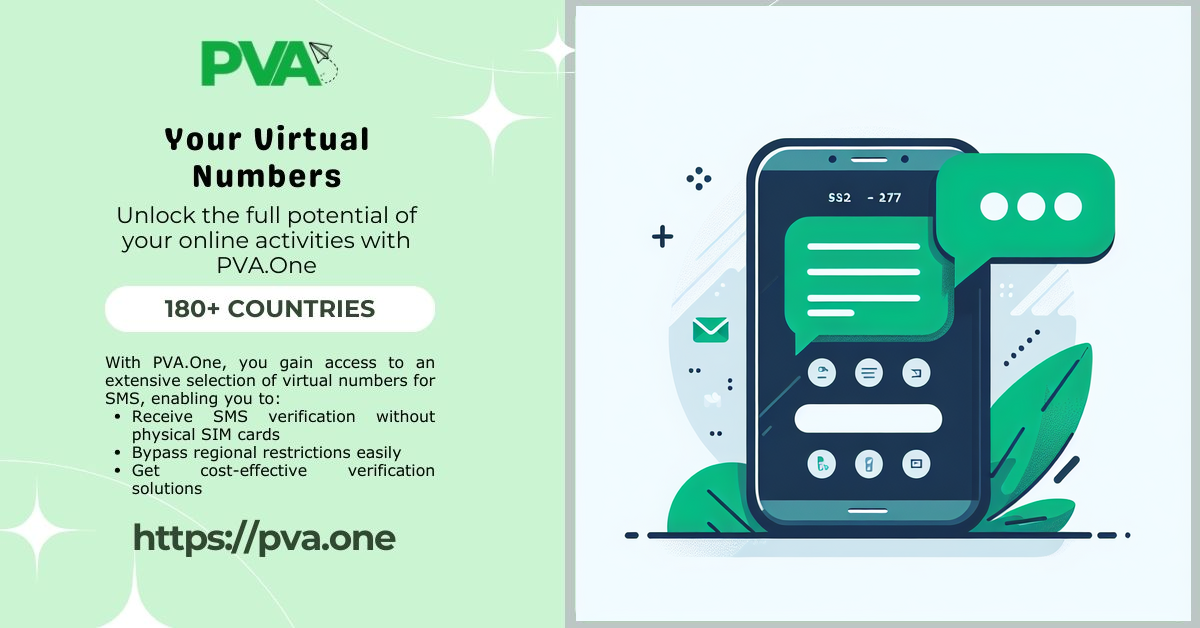
Virtual phone numbers are telephone numbers that are not directly associated with a physical telephone line. Instead, they operate through the internet or cloud-based systems, allowing users to make and receive calls or text messages digitally.
Common uses of virtual numbers include:
- Receiving SMS OTPs (One-Time Passwords) for account verification
- Business call forwarding and customer support
- Maintaining privacy and anonymity online
- Managing multiple phone numbers without multiple devices
Legal Regulations Governing Virtual Phone Numbers
The legal framework for virtual phone numbers varies by country but generally includes regulations related to telecommunications, data protection, and fraud prevention.
Telecommunications and Licensing
Service providers offering virtual phone numbers must comply with telecommunications licensing requirements in their operating regions. Users should also ensure that their use of virtual numbers adheres to local laws.
Data Protection and Privacy
Since virtual numbers often handle sensitive information such as SMS OTPs and personal data, compliance with data protection laws like the General Data Protection Regulation (GDPR) in Europe or the California Consumer Privacy Act (CCPA) in the United States is critical.
Anti-Fraud and Misuse Laws
Regulators enforce laws against the misuse of virtual numbers for fraudulent activities, such as spam, identity theft, or unauthorized account access. Using virtual numbers ethically and legally helps to avoid serious consequences.
Common Legal Concerns When Using Virtual Phone Numbers
- Unauthorized Use: Using virtual numbers to impersonate another person or deceive can lead to legal penalties.
- Spam and Harassment: Sending unsolicited messages or calls via virtual numbers is illegal in many jurisdictions.
- Data Retention and Sharing: Users should be aware of how providers store and share data linked to their virtual numbers.
- Cross-border Compliance: Using virtual numbers internationally may involve multiple legal frameworks, requiring careful consideration.
Benefits of Using Virtual Phone Numbers Legally
When used appropriately, virtual phone numbers offer numerous advantages while staying within the legal boundaries:
- Enhanced Privacy: Protect your real phone number, reducing the risk of spam and unwanted contact.
- Improved Security: Receive SMS OTPs securely for two-factor authentication and account verification.
- Cost-Effective Communication: Handle multiple lines and international contacts without expensive infrastructure.
- Business Flexibility: Scale communication channels easily while complying with legal standards.
Get Your Legal Virtual Number Now →
Best Practices for Legal Use of Virtual Numbers
To use virtual phone numbers responsibly and legally, consider the following guidelines:
- Choose reputable providers who comply with telecom and data protection regulations.
- Use virtual numbers only for legitimate and ethical purposes.
- Inform contacts when virtual numbers are used in business communication to maintain transparency.
- Regularly review the terms of service and privacy policies of your virtual number provider.
- Be cautious about sharing virtual numbers on public platforms to avoid abuse.
International Perspectives on Virtual Number Legality
Each country has its own rules regarding virtual phone numbers, making it important to understand local laws especially for businesses operating globally.
- United States: Regulations focus on anti-spam laws like the TCPA and protect consumer data under CCPA.
- European Union: GDPR governs data privacy, requiring clear consent and secure handling of information.
- Asia Pacific: Varies widely, with some countries imposing strict telecom regulations and others having more lenient rules.
Always consult with legal experts or compliance officers when expanding virtual number usage across borders to avoid legal risks.
In summary, virtual phone numbers offer flexibility and privacy, but their legal aspects must be carefully considered. By understanding and adhering to regional laws and ethical guidelines, users can leverage virtual numbers effectively and securely in their digital communications.